
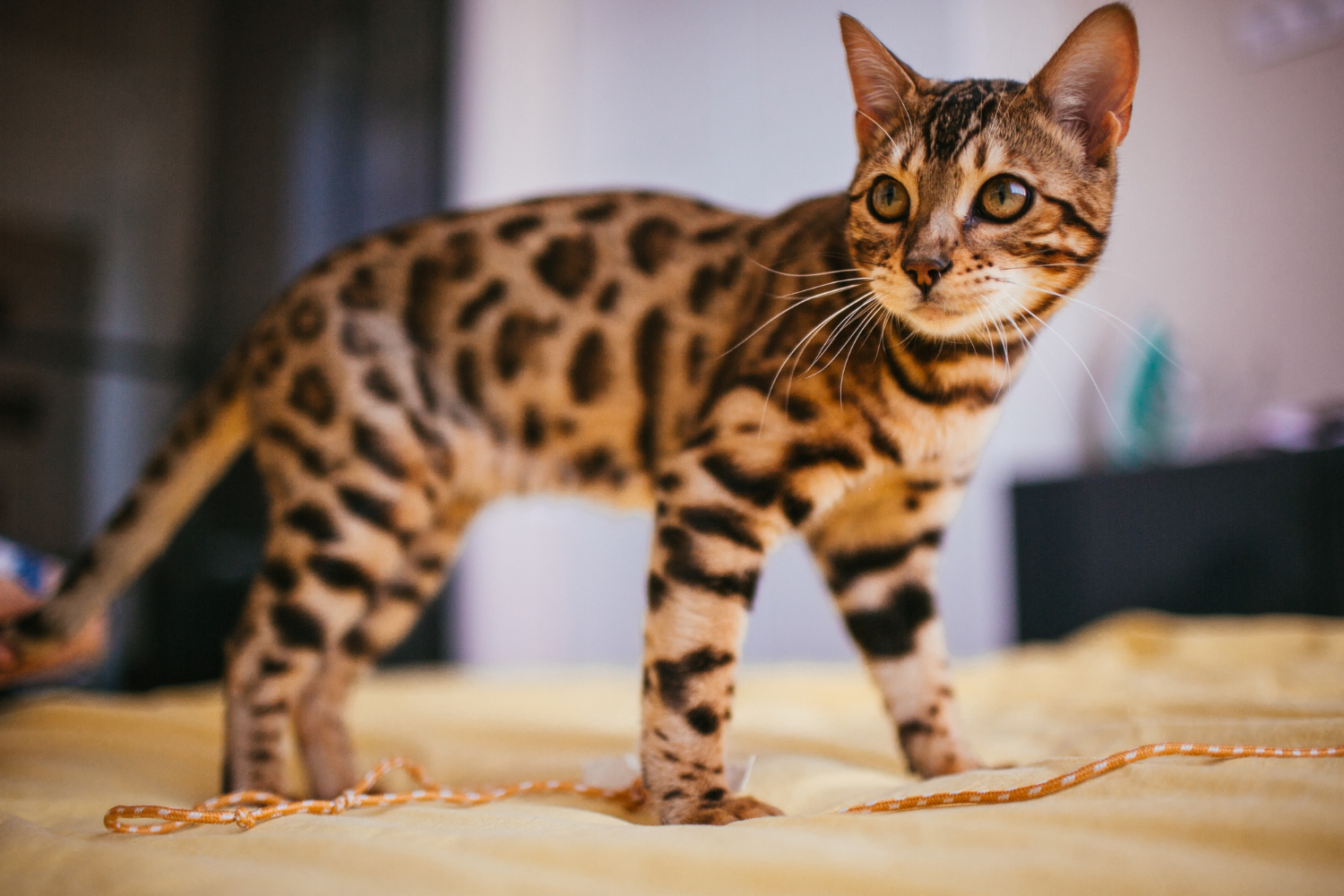

Bengal kittens are exciting additions to any family and are known for their unique physical traits (such as the leopard-like color of their fur), intelligence, and active personalities. Bengal kittens have special needs compared to other cats due to these exceptional qualities. As a first time Bengal owner, this guide will provide you with a complete overview of how to care for your new Bengal kitten so that he or she is happy, healthy, and well-socialized.
Understanding the Bengal Kitten Personality
Bengal kittens have a reputation for being active, inquisitive, and very smart. They are always ready to investigate their surroundings, climb around, and socialize. Bengals do not favor the same lifestyle as dogs or most other breed animals; instead of being content to sit on the couch, Bengals constantly seek stimulating activities and companionship. Bengals also enjoy a high level of interaction when playing.
By knowing the characteristics of Bengals, you will be able to set up an appropriate lifestyle for them to keep them stimulated and therefore reduce the risk of developing behavior problems caused by boredom.
Preparing Your Home for a Bengal Kitten
Prior to the arrival of your Bengal kitten, it is important to "kitten-proof" your house. You should remove any loose wiring and secure any potentially fragile items. You also may want to restrict access to any unsafe areas.
Since Bengals have a natural love for climbing, you may wish to purchase items such as cat trees, shelves, or window perches that provide vertical space. In addition, this vertical space will help to engage the Bengal's natural instincts and provide them with mental stimulation.
It is essential to establish a quiet, relaxed space for your kitten for the first few days. This area should include food/water bowls, a litter box, a scratching post, and a comfortable bed.
Feeding Your Bengal Kitten
It is essential to provide appropriate nutrition to your young Bengal kitten as they develop. Feeding your Bengal kitten a premium-quality kitten food containing a high concentration of animal protein will satisfy their need for protein to support muscle growth and energy requirements.
In addition, wet food assists with hydration; dry food assists with dental care; thus, many owners will use a combination of wet and dry foods. When feeding your Bengal kitten, distribute small portions over three to four meals each day until the age of 6 months.
Always provide your Bengal kitten with an ample supply of fresh drinking water and refrain from supplying any human foods to your Bengal kitten as human foods may upset your Bengal kitten's stomach.
Litter Training and Hygiene
Most Bengal kittens are easy to litter train, especially if they were raised by a breeder or foster care. Ideally, you will want to set up a litter box in an area that is quiet and easily accessible.
Unscented clumping litter is best for Bengal kittens, as they tend to be very clean and have a preference for unscented litter. It is also important to keep the litter box clean, as Bengals are very selective about their hygiene.
The grooming of a Bengal kitten is simple to do due to the fact that they have a short coat. With regular weekly brushing, you can remove loose hair and reduce the amount of hair that you will find in your home. You will also want to regularly trim their nails, do ear checks, and give them a bath every so often to keep them clean and comfortable.
Exercise and Mental Stimulation
Unlike most other breeds, Bengal kittens need more regular exercise than most. That's why you should always plan to have some time each day for interactive play with your kitten; this type of play is vital for the well-being of all Bengal cats.
To accomplish this, use wand toys, supervised laser pointers, puzzle feeders, and various types of things that kittens can climb on or around in order to keep them engaged.
Bengal kittens also love learning new skills and solving problems. They enjoy learning tricks (e.g., opening cabinets) and solving puzzles. When they don't get enough mental stimulation, they can become destructive or develop unwanted behaviours as a result of boredom.
Health Care and Vet Visits
It is important to schedule a visit for your Bengal kitten with a veterinarian shortly after you have brought them home. The veterinarian can help you with vaccinations, deworming, flea prevention, and monitoring of the overall health of your Bengal kitten.
Bengals are typically healthy cats but can have some genetic predisposition to certain health issues, making regular visits to the veterinarian essential. Spaying/neutering your kitten as per the recommended age also aids in prevention of undesirable behaviour and is a factor in the long-term health of your Bengal kitten.
Training and Socialization
Due to their cognitive abilities, Bengal kittens are quite trainable. With positive reinforcement techniques, one can train them to follow simple commands, walk on a leash and exhibit behaviours that are deemed acceptable or desirable. Punishment is not recommended since it can destroy trust and contribute to anxiety.
It is critical to start socialising your Bengal kittens as early as possible. When socialising them it is essential to introduce them to a variety of individuals, sounds and environments. If the kitten has other pets within the household, then be sure to introduce them slowly and under supervision to promote a positive bond between the pets.
Indoor Living for Bengal Kittens
Due to the fact that Bengal Kittens are curious, fearless and therefore at risk from outdoor hazards, most experts suggest therefore they should be kept indoors.
To compensate for this lifestyle, owners may wish to enrich their indoor environments by providing climbing areas, interactive toys, and playtime with their kittens on a daily basis. Some owners also have had success harness-training Bengals to take their cats on supervised outdoor adventures which may provide an alternative method of burning off excess energy.
Final Thoughts
As rewarding as having a Bengal kitten may be, it will also require your commitment, time, and understanding. Good nutrition, mental stimulation, regular vet checkups, and providing a stimulating home environment will allow your Bengal kitten to develop into a confident, affectionate, and well-behaved adult cat.
As long as you prepare well and provide excellent care, your Bengal kitten will not only be a pet; he or she will be your loving companion for many years to come!