
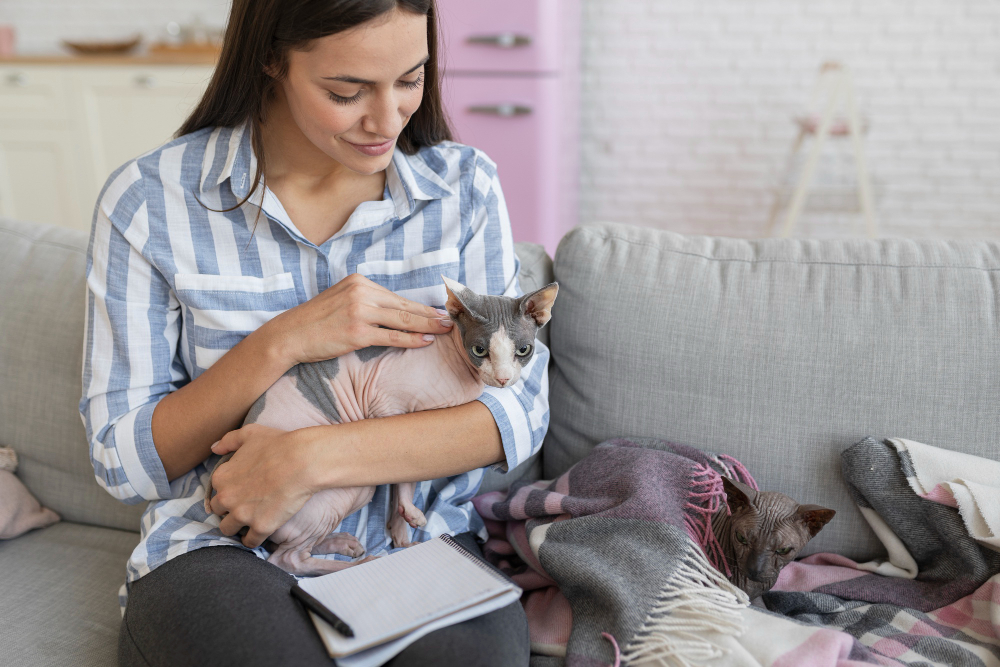

For most people, the joyful thrill of bringing a new kitten into the house for the first time comes with strong feelings of joy and nervousness. Those sweet little paws, inquisitive little eyes, and their energetic little leaps and bounds warm anyone's heart, but they also need to be taken care of, require time, effort, and care before becoming the wonderful, loving, confident, happy cats that they will become. For anyone who has never owned a cat before, learning the basics about how to care for your new kitten right from the start will provide the foundation upon which to help your new kitty develop into a happy and healthy adult cat.
This guide will assist you through the entire process of bringing your new kitten home!.
Preparing Your Home for a Kitten
o create a safe environment before you get a kitten, prepare by making your home a safe haven. Kittens naturally have inquisitive minds and use their mouths and paws to explore everything.
Be sure to take security precautions by removing loose wires, covering outlets, removing small items from the floor, and storing cleaning supplies, medicines, and poisonous plants. Additionally, choose a quiet area for the kitten to relax in that is not close to loud noises or a lot of foot traffic.
Set up the following items before bringing the kitten home:
- A comfortable bed or soft blanket
- Food and water bowls
- A litter box, kept away from the food bowl
- A scratching post
- A safe place to play with their toys
Setting up these items before bringing the kitten home will make the kitten feel safe and secure.
Feeding Your Kitten the Right Way
It's very important to ensure your kitten has the Nutrition it needs to grow and thrive. Kittens require Nutrition that provides the following: Rapid Growth, strong Bones, and a Healthy Immune System.
Kittens should have their mother's milk or a Vet formulated Milk Replacer until 8 weeks of age. Cows Milk is not suitable for kittens and may cause them to have an upset stomach. At 8 weeks of age, you can begin to offer high-quality Kitten Food in a variety of forms such as Wet, Dry, or mixed together.
Feed your kittens small amounts of food multiple times a day. Fresh Water must always be readily available. You should not feed your kittens any Human Food, as many of the ingredients in Human Food can be toxic to cats.
If you are having difficulty determining Portion Sizes or what type of Food to feed your kittens, please contact a Veterinarian for guidance.
Litter Training Made Easy
Kittens have an instinct to use a litterbox when given minimal guidance. An easy way to encourage your kitten to use its litterbox is to put your kitten in the litterbox after every meal and nap. Also, because kittens do not like using a dirty litterbox, you should clean it often.
Select a low-sided litter tray so your kitten can easily gain access to it, and fill your litter tray with unscented litter (scented litter can irritate) to help reduce any discomfort.
If your kitten has an accident, don't scold it for doing so. Instead, give your kitten praise for using the litterbox. With a little bit of consistency, most kittens will develop their litterbox habits within a few days.
Health Care and Vet Visits
The first step after bringing your kitten home is a veterinarian visit within the first week to assess the overall health of the kitten and determine whether the kitten requires vaccinations, deworming, and flea prevention.
The following are warning signs that should be addressed immediately, as they may indicate a serious problem developing:
• Loss of appetite
• Diarrhea or vomiting
• Sneezing or watery eyes
• Lethargy
Early veterinary treatment will help prevent minor health issues from developing into more significant health problems later on in the kitten's life.
Understanding Kitten Behavior
Kittens use different forms of communication such as body language, sounds and actions. Kittens will engage in playful biting, pouncing, tearing at things while they're developing their teeth.
Provide your kitten with plenty of toys to redirect them away from biting and scratching things other than toys. You should never use your hands as toys for your kitten. If your kitten is scratching the furniture, just gently assign him/her to his/her scratching post.
Kittens spend most of their day sleeping, which can be anywhere from 14-18 hours on average. This is 100% normal and plays a key role in their development.
Socialization and Bonding
The social development of a cat is greatly influenced by the first few months of its development. The most important thing you can do is to spend quality time with your kitten every day. Gentle handling, talking softly, and playing with your kitten will establish trust.
As your kitten grows, expose it gradually to new sounds, new people, and different environments, which will help reduce fear and anxiety later in life. Allowing your kitten to approach you at their own pace will also promote a positive experience for them.
The positive experiences created during your kitten's early life will produce an adult cat that is well-adjusted and friendly toward humans.
Grooming and Hygiene
Your kitten has short hair and therefore doesn't need grooming frequently. However, it is important to brush him/her occasionally to reduce the amount of hair they shed and limit the number of hairballs from forming. Your kitten’s long-haired coat will require more grooming than a short-haired cat; so, it's best to start introducing your kitten to being groomed as soon as possible, so he/she becomes accustomed to the process.
Nail trims should be done every few weeks, and you should also check your kitten's ears and eyes for any dirt or discharge.
Bathing your kitten is very rarely required; only if he/she becomes extremely dirty.
Common Mistakes to Avoid
Beginning cat owners tend to make fairly easily corrected mistakes when caring for their new pet. Possible mistakes include:
• Offering the wrong food.
• Not regularly visiting the veterinarian.
• Failing to dedicate time for play and mental challenges.
• Using negative reinforcement instead of positive reinforcement.
Being patient and consistently applying training techniques will help in developing your cat's particular skills since each kitten learns at their own rate.
Final Thoughts
The experience of caring for a new kitten can be a very fun and exciting learning process. Although the initial step may seem overwhelming, proper preplanning, preparation, and knowledge will help you through the entire process. The key to providing your kitten with an optimal start in their life will be to create a safe living environment, feed them a nutritionally balanced diet, provide them with veterinary care and love.